Best Seasons for Foundation Repairs
Understanding the optimal timing for foundation repairs can help ensure the effectiveness and longevity of the work. Seasonal and weather conditions significantly influence the repair process, with certain times of the year offering better conditions for addressing foundation issues.
Spring often provides moderate temperatures and stable weather, making it a suitable time for foundation repairs. Warmer soil conditions can facilitate better soil stabilization during repairs.
Summer offers longer daylight hours and consistent warm weather, but high temperatures and dry conditions may cause soil to shrink, complicating repairs.
Fall typically presents cooler temperatures and less rain, creating favorable conditions for foundation work before winter.
Winter can pose challenges due to freezing temperatures, frozen soil, and increased moisture, which may delay or complicate foundation repairs.
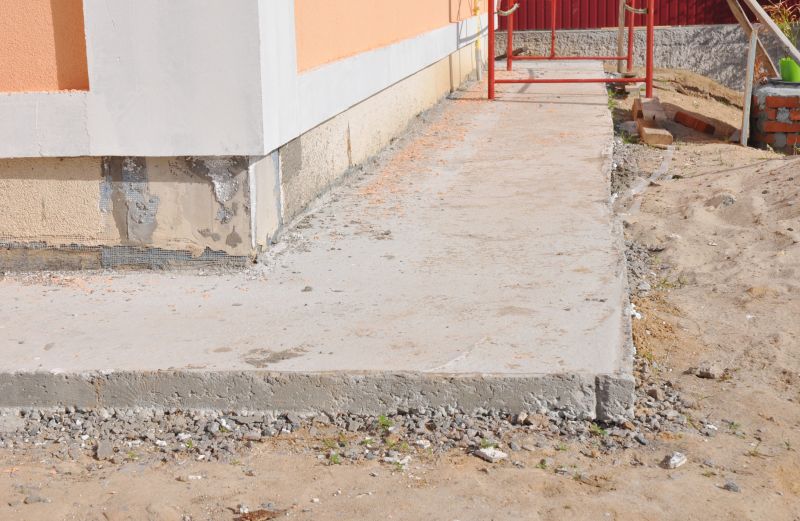
Ways to make Foundation Repairs work in tight or awkward layouts.
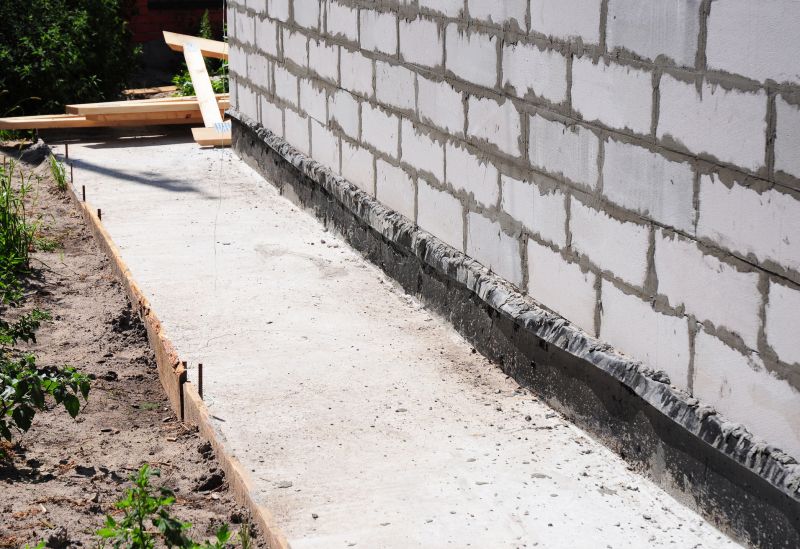
Popular materials for Foundation Repairs and why they hold up over time.
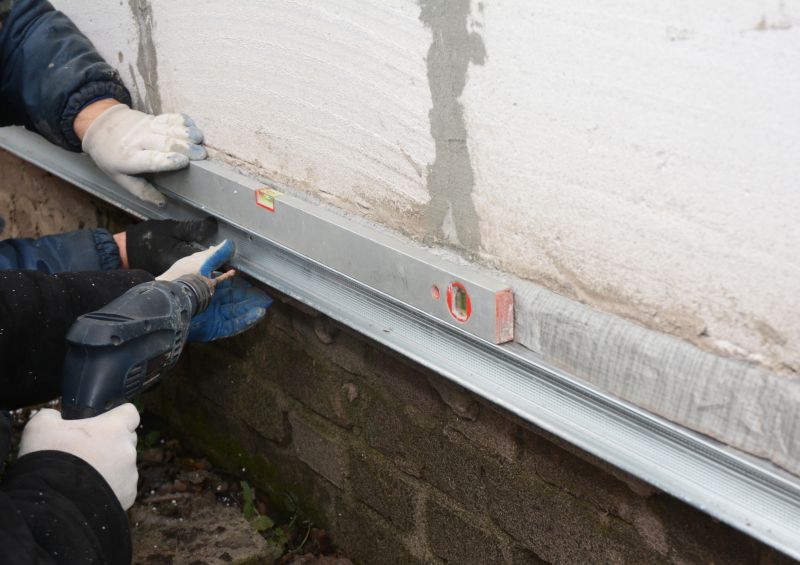
Simple add-ons that improve Foundation Repairs without blowing the budget.
High-end options that actually feel worth it for Foundation Repairs.
Finishes and colors that play nicely with Foundation Repairs.

Little measurements that prevent headaches on Foundation Repairs day.
A 60-second routine that keeps Foundation Repairs looking new.
A frequent mistake in Foundation Repairs and how to dodge it.
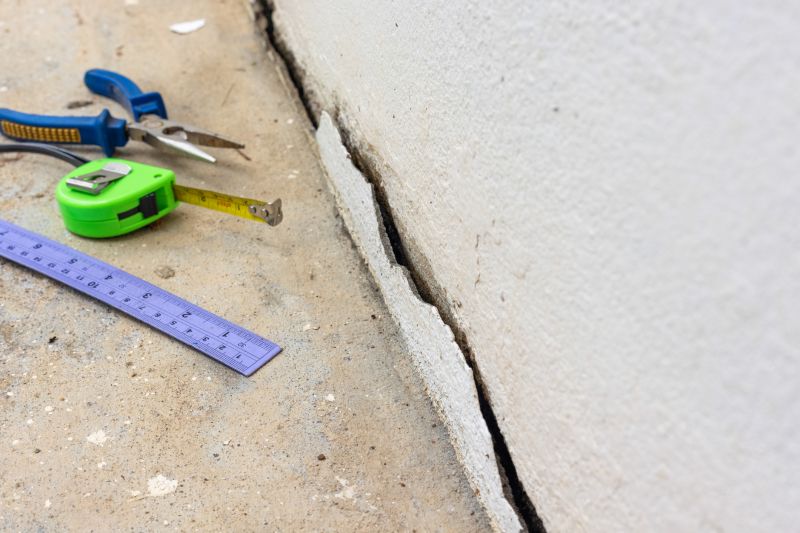
Foundation repairs involve addressing issues such as settling, cracking, and shifting that compromise the stability of a structure. Proper timing can minimize complications caused by weather conditions, soil movement, and moisture levels. Seasonal variations affect soil expansion and contraction, which directly impact foundation integrity. For instance, wet soil during rainy seasons can cause swelling, while dry soil in summer can lead to shrinkage and increased stress on foundations.
Statistics indicate that the majority of foundation problems are exacerbated by soil movement, which is influenced by weather patterns. Addressing foundation issues during optimal seasons reduces the risk of repeated damage and can extend the lifespan of repairs. Planning repairs during periods of stable soil conditions ensures better results and reduces the likelihood of future issues.
Small tweaks to make Foundation Repairs safer and easier to use.
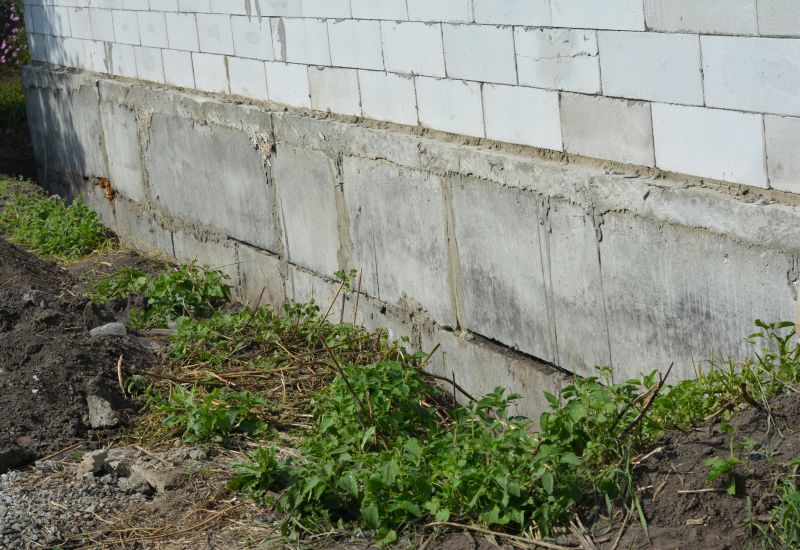
Lower-waste or water-saving choices for Foundation Repairs.
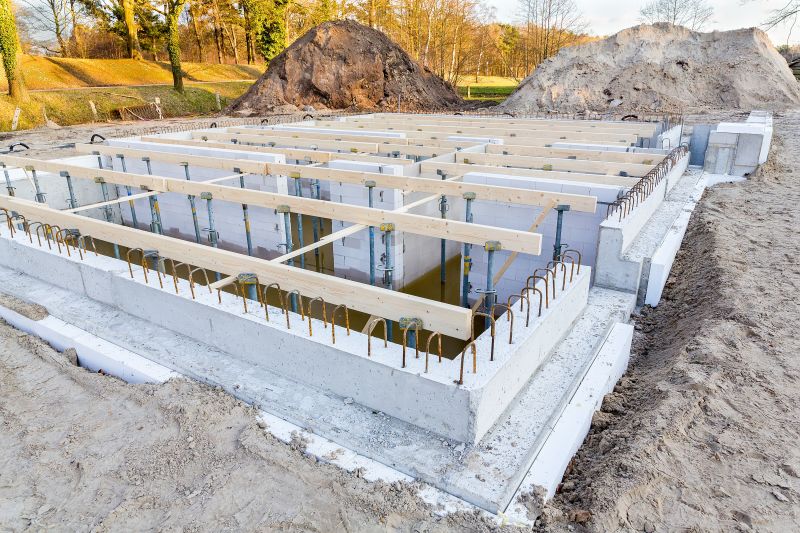
The short, realistic tool list for quality Foundation Repairs.
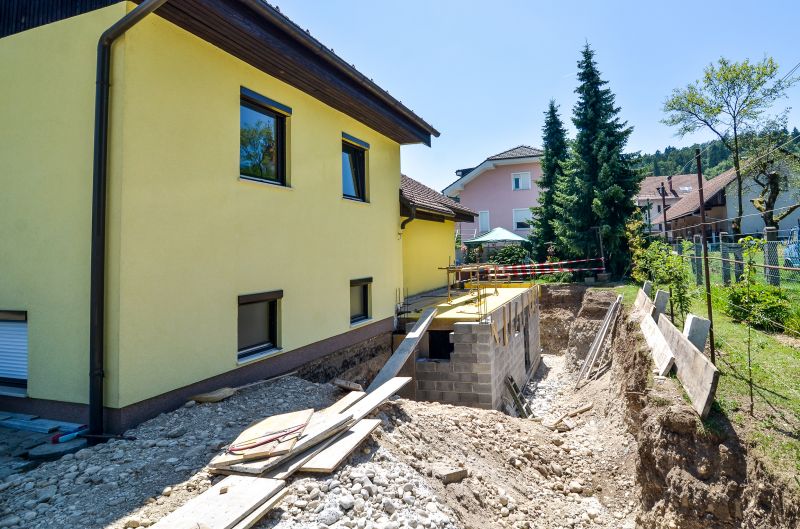
Rough timing from prep to clean-up for Foundation Repairs.
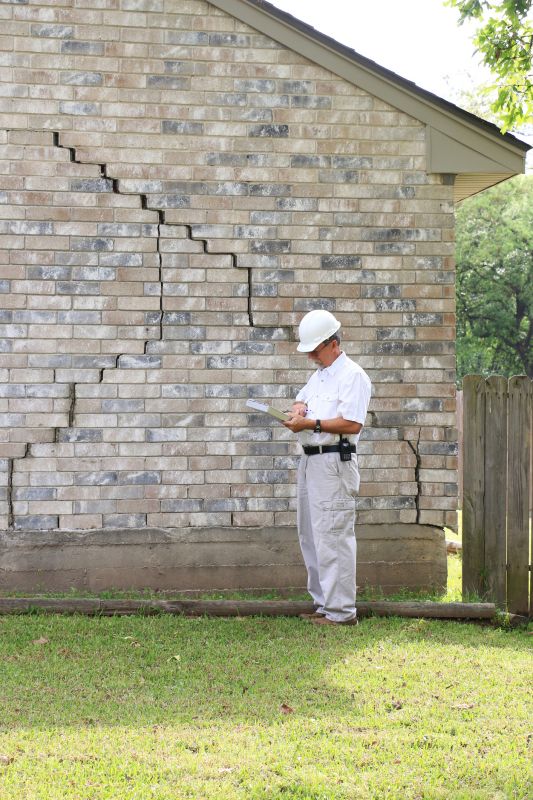
Quick checks and paperwork to keep after Foundation Repairs.
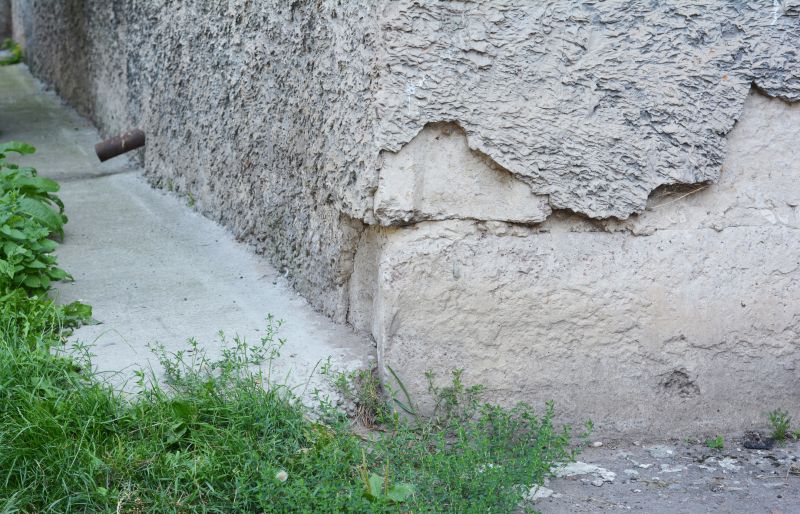
Examples that show the impact a good Foundation Repairs can make.
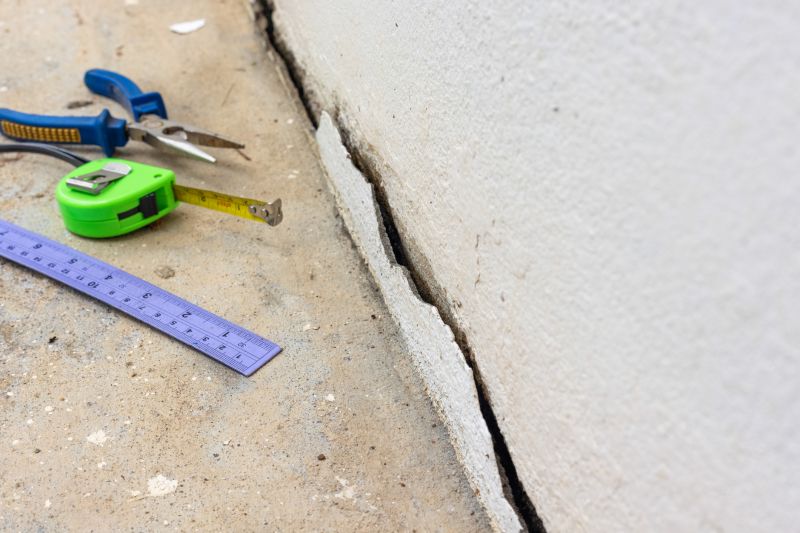
Ways to make Foundation Repairs work in tight or awkward layouts.
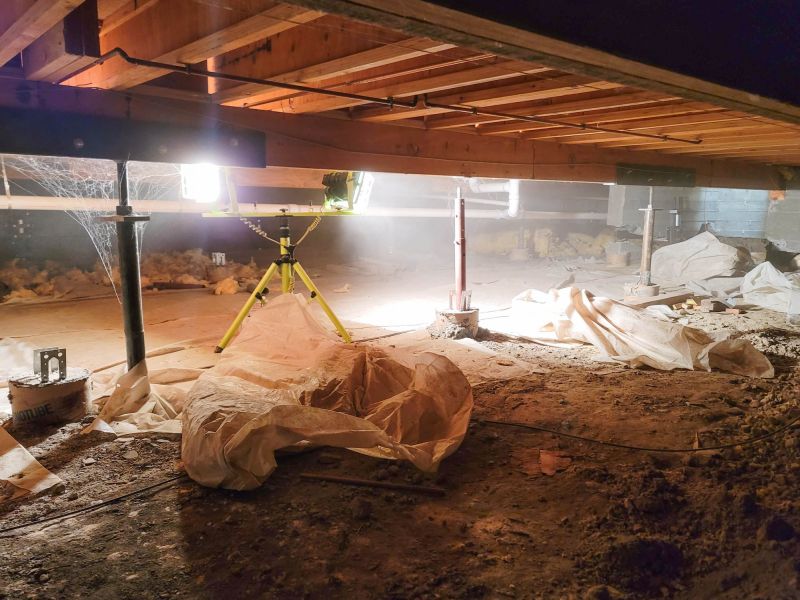
Ways to make Foundation Repairs work in tight or awkward layouts.
| Season | Best Conditions for Repairs |
|---|---|
| Spring | Moderate temperatures and stable soil conditions |
| Summer | Long daylight hours, but soil may dry and shrink |
| Fall | Cooler temperatures and less rain, ideal for repairs |
| Winter | Freezing temperatures and frozen soil pose challenges |
Choosing the right time for foundation repairs ensures better results and reduces the likelihood of recurring issues. Consulting with foundation specialists can help determine the most suitable season based on local weather patterns and soil conditions. Proper timing, combined with professional assessment, can help maintain the stability and safety of a property.
Interested in foundation repairs? Filling out the contact form can facilitate scheduling and consultation to determine the best timing and solutions for specific foundation needs.